ELCS LAB5
DATE: 19-09-2019
Name of the Activity: A. STRESS PATTERN B. DESCRIBING PERSONS, PLACES AND THINGS
CALL LAB (COMPUTER ASSISTED LANGUAGE LEARNING LAB)
STRESS:PATTERN
In linguistics, and particularly phonology, stress or accent is THE prominence given to a certain syllable in a word, or to a certain word in a phrase or sentence.
That emphasis is typically caused by such properties as increased loudness and vowel length, full articulation of the vowel, and changes in pitch. The terms stress and accent are often used synonymously in that context but are sometimes distinguished.
For example, when emphasis is produced through pitch alone, it is called pitch accent, and when produced through length alone, it is called quantitative accent.When caused by a combination of various intensified properties, it is called stress accent or dynamic accent; English uses what is called variable stress accent.
CONTINUE THE PAGE AND WRITE THE RULES THAT YOU ALL NOTED IN THE LAB

ICS LAB (Interactive Communication Skills Lab)
DESCRIBING PERSONS, PLACES AND THINGS:
Description is the act of providing the the details of the demanded object by the seeker. We come across many occasions that demand the description of either a person or a place or a thing. Hence it is necessary to learn the details about this activity to be fluent in our skills of communication.
DESCRIBING PERSONS
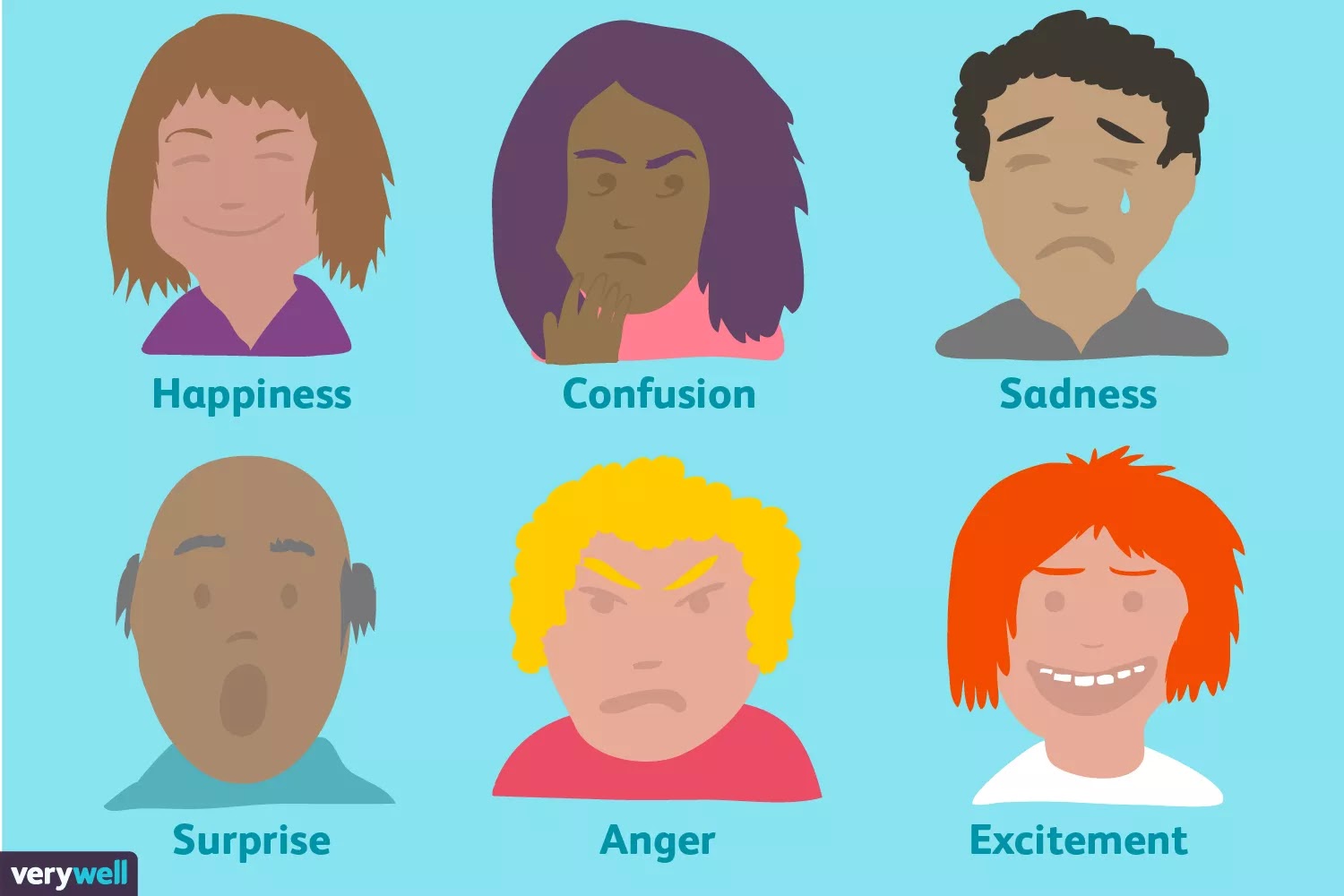
Usually, people are described to be identified by the characteristic or prominent parts of their face or body. Various occasions are there demanding the description of the persons according to their persona. To start with the face,
hair- curly, straight, oily, dry, rough
forehead- broad,narrow, wrinkled, shining
eye brows- thick, thin, broad, narrow
eyes - black, brown, blue, sparkling, sleepy, dull
lips- curved, straight, stiffened
shape of the face - round, angular, chubby, skinny
DESCRIBING PLACES
Description involves communicating the details of the intended object to the seeker. In our day to day life we come across many occasions that demand the description of either a person or a place or a thing.
Describing places is required whenever a person visits a place and asked by the others to provide the details due to formal or informal requirements. This may include describing an office, or a house or a palace or a historical structure.
Mostly the shapes of the structures form an important clue in this. Words such as circular, rectangular, semi circular, triangular shapes are mentioned. The breadth and width of the area is mentioned. The colors of the walls, curtains, or any show pieces are to be mentioned without fail.
DESCRIBING THINGS
In real life, many things attract our attention and encourage us to describe them to sparkle interest in our friends as well. Random words are used to describe the things according their points of prominence. It could start from a set of diamond jewellery to the cruise on the ocean. So the vocabulary has to be according to the thing on your mind.
LINKS FOR FURTHER INFO https://www.englishclub.com/pronunciation/word-stress-rules.htm
https://www.englishclub.com/pronunciation/word-stress-what.htm
DATE: 19-09-2019
Name of the Activity: A. STRESS PATTERN B. DESCRIBING PERSONS, PLACES AND THINGS
CALL LAB (COMPUTER ASSISTED LANGUAGE LEARNING LAB)
STRESS:PATTERN
In linguistics, and particularly phonology, stress or accent is THE prominence given to a certain syllable in a word, or to a certain word in a phrase or sentence.
That emphasis is typically caused by such properties as increased loudness and vowel length, full articulation of the vowel, and changes in pitch. The terms stress and accent are often used synonymously in that context but are sometimes distinguished.
For example, when emphasis is produced through pitch alone, it is called pitch accent, and when produced through length alone, it is called quantitative accent.When caused by a combination of various intensified properties, it is called stress accent or dynamic accent; English uses what is called variable stress accent.
CONTINUE THE PAGE AND WRITE THE RULES THAT YOU ALL NOTED IN THE LAB

ICS LAB (Interactive Communication Skills Lab)
DESCRIBING PERSONS, PLACES AND THINGS:
Description is the act of providing the the details of the demanded object by the seeker. We come across many occasions that demand the description of either a person or a place or a thing. Hence it is necessary to learn the details about this activity to be fluent in our skills of communication.
DESCRIBING PERSONS
Usually, people are described to be identified by the characteristic or prominent parts of their face or body. Various occasions are there demanding the description of the persons according to their persona. To start with the face,
hair- curly, straight, oily, dry, rough
forehead- broad,narrow, wrinkled, shining
eye brows- thick, thin, broad, narrow
eyes - black, brown, blue, sparkling, sleepy, dull
lips- curved, straight, stiffened
shape of the face - round, angular, chubby, skinny
DESCRIBING PLACES
Description involves communicating the details of the intended object to the seeker. In our day to day life we come across many occasions that demand the description of either a person or a place or a thing.
Describing places is required whenever a person visits a place and asked by the others to provide the details due to formal or informal requirements. This may include describing an office, or a house or a palace or a historical structure.
Mostly the shapes of the structures form an important clue in this. Words such as circular, rectangular, semi circular, triangular shapes are mentioned. The breadth and width of the area is mentioned. The colors of the walls, curtains, or any show pieces are to be mentioned without fail.
DESCRIBING THINGS
In real life, many things attract our attention and encourage us to describe them to sparkle interest in our friends as well. Random words are used to describe the things according their points of prominence. It could start from a set of diamond jewellery to the cruise on the ocean. So the vocabulary has to be according to the thing on your mind.
********************************
LINKS FOR FURTHER INFO https://www.englishclub.com/pronunciation/word-stress-rules.htm
https://www.englishclub.com/pronunciation/word-stress-what.htm